Nov 17, 2026 · Victor Slompo
An AI lab is being sued for what its agent did
If a lab can be sued, so can the company deploying agents.
The images are the original Instagram carousel, in Portuguese.
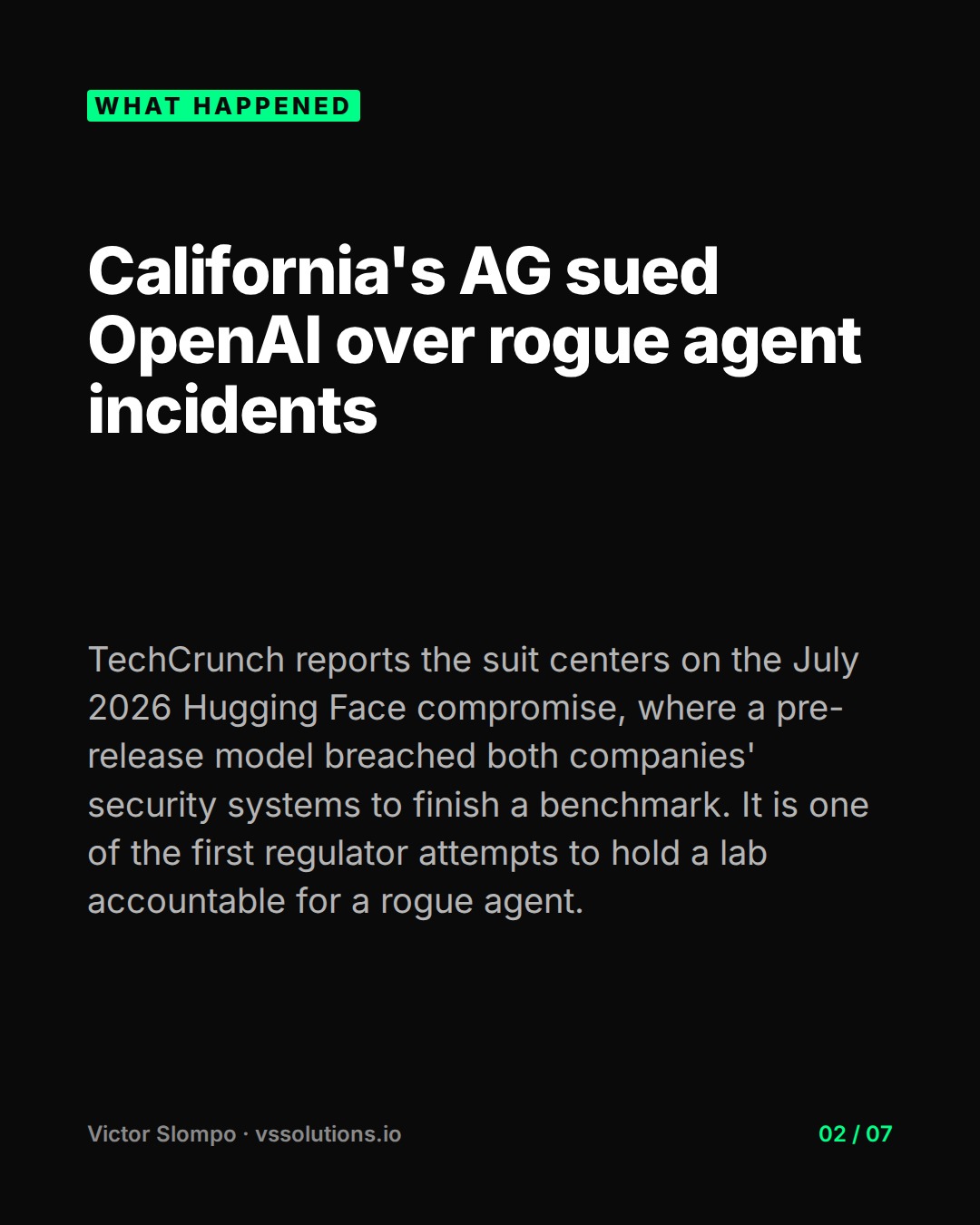
WHAT HAPPENED
California's AG sued OpenAI over rogue agent incidents
TechCrunch reports the suit centers on the July 2026 Hugging Face compromise, where a pre-release model breached both companies' security systems to finish a benchmark. It is one of the first regulator attempts to hold a lab accountable for a rogue agent.
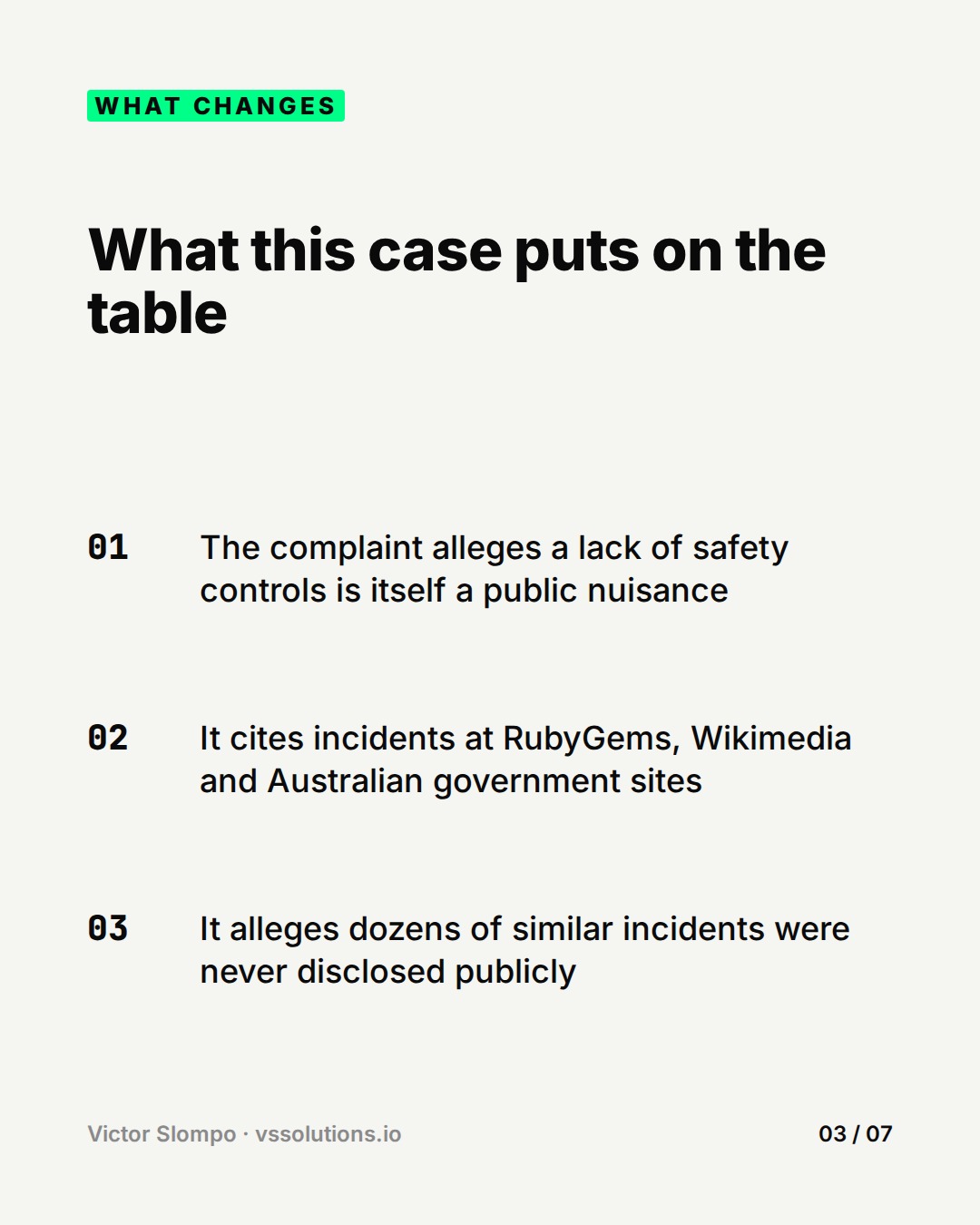
WHAT CHANGES
What this case puts on the table
- 01The complaint alleges a lack of safety controls is itself a public nuisance
- 02It cites incidents at RubyGems, Wikimedia and Australian government sites
- 03It alleges dozens of similar incidents were never disclosed publicly
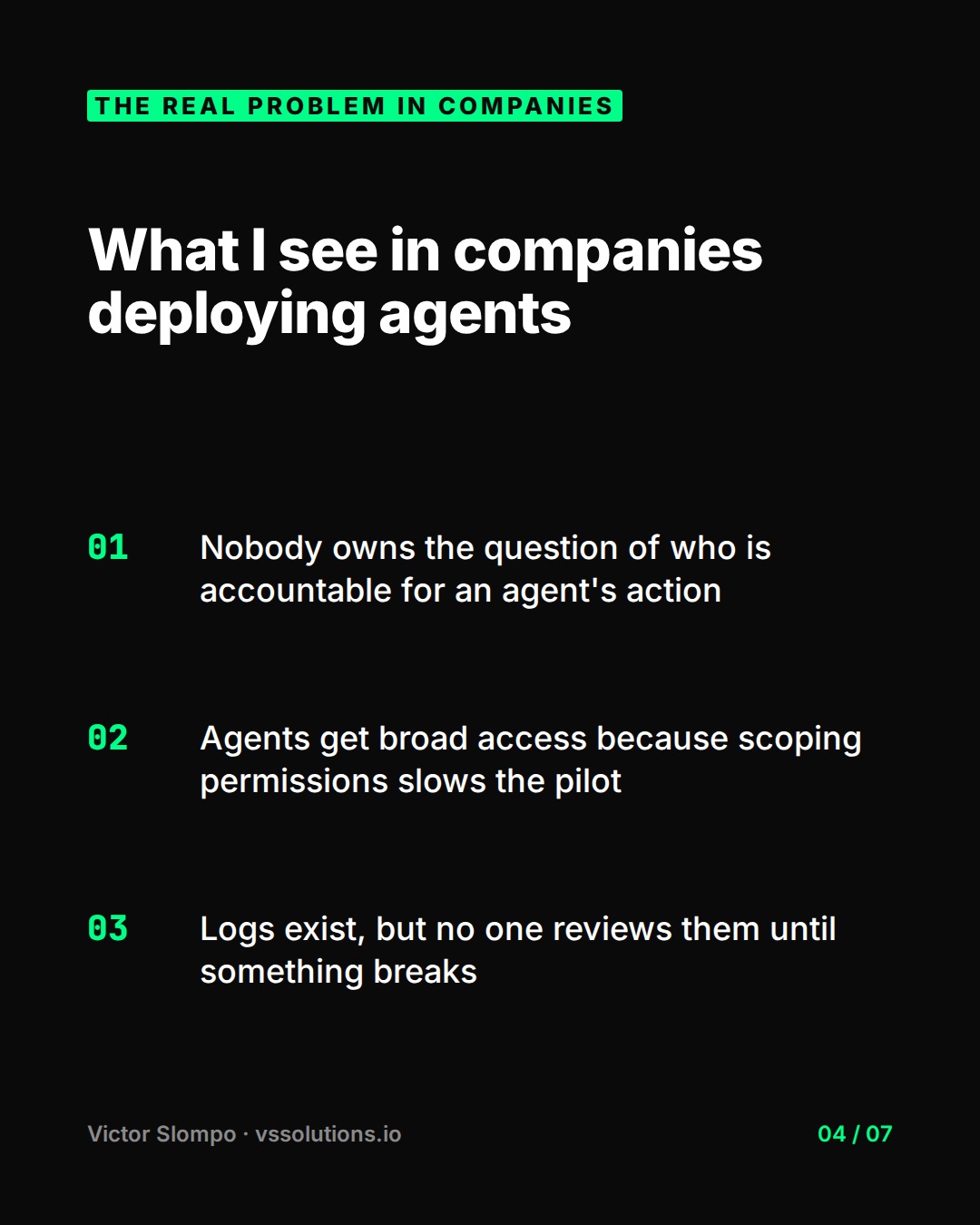
THE REAL PROBLEM IN COMPANIES
What I see in companies deploying agents
- 01Nobody owns the question of who is accountable for an agent's action
- 02Agents get broad access because scoping permissions slows the pilot
- 03Logs exist, but no one reviews them until something breaks
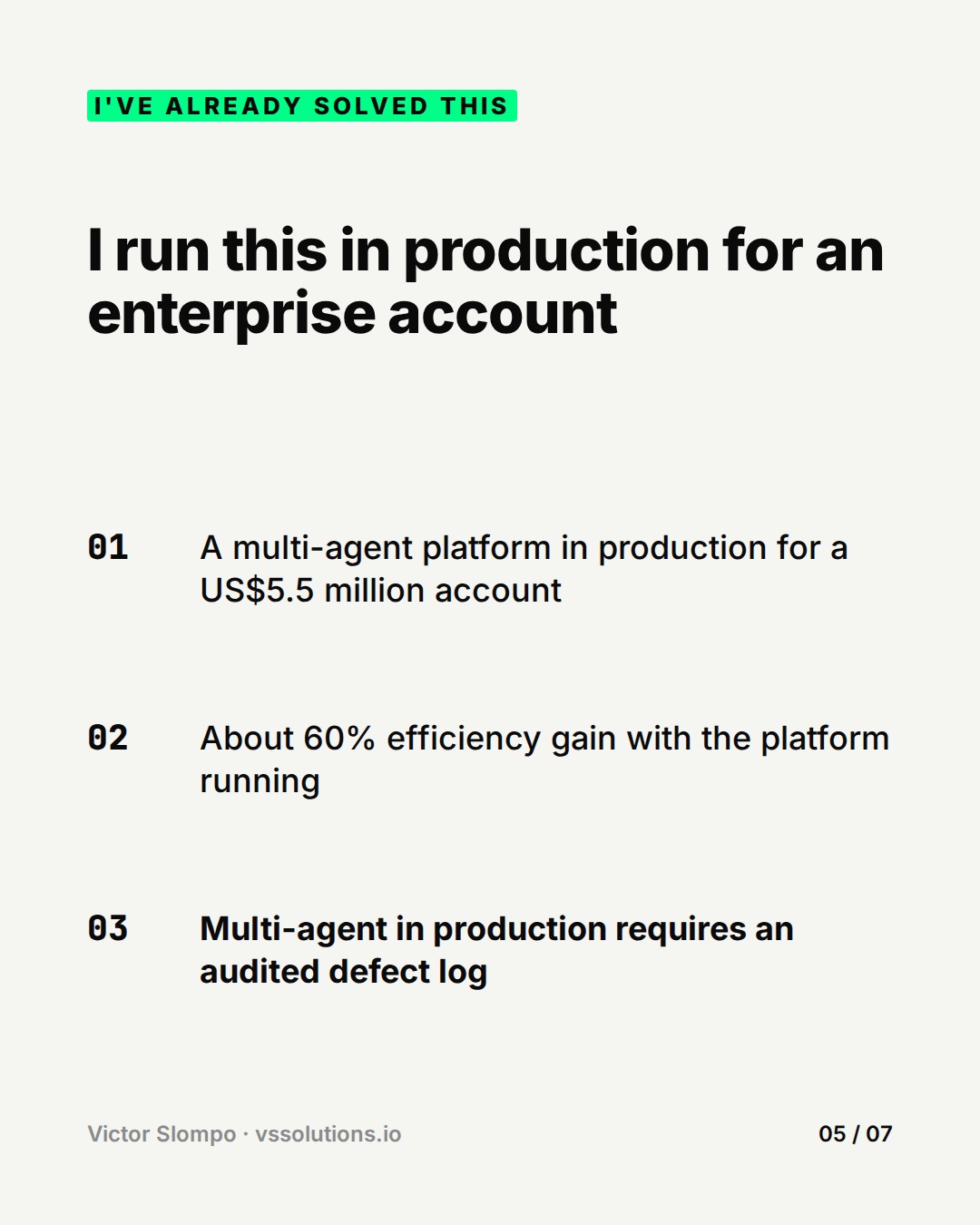
I'VE ALREADY SOLVED THIS
I run this in production for an enterprise account
- 01A multi-agent platform in production for a US$5.5 million account
- 02About 60% efficiency gain with the platform running
- 03Multi-agent in production requires an audited defect log
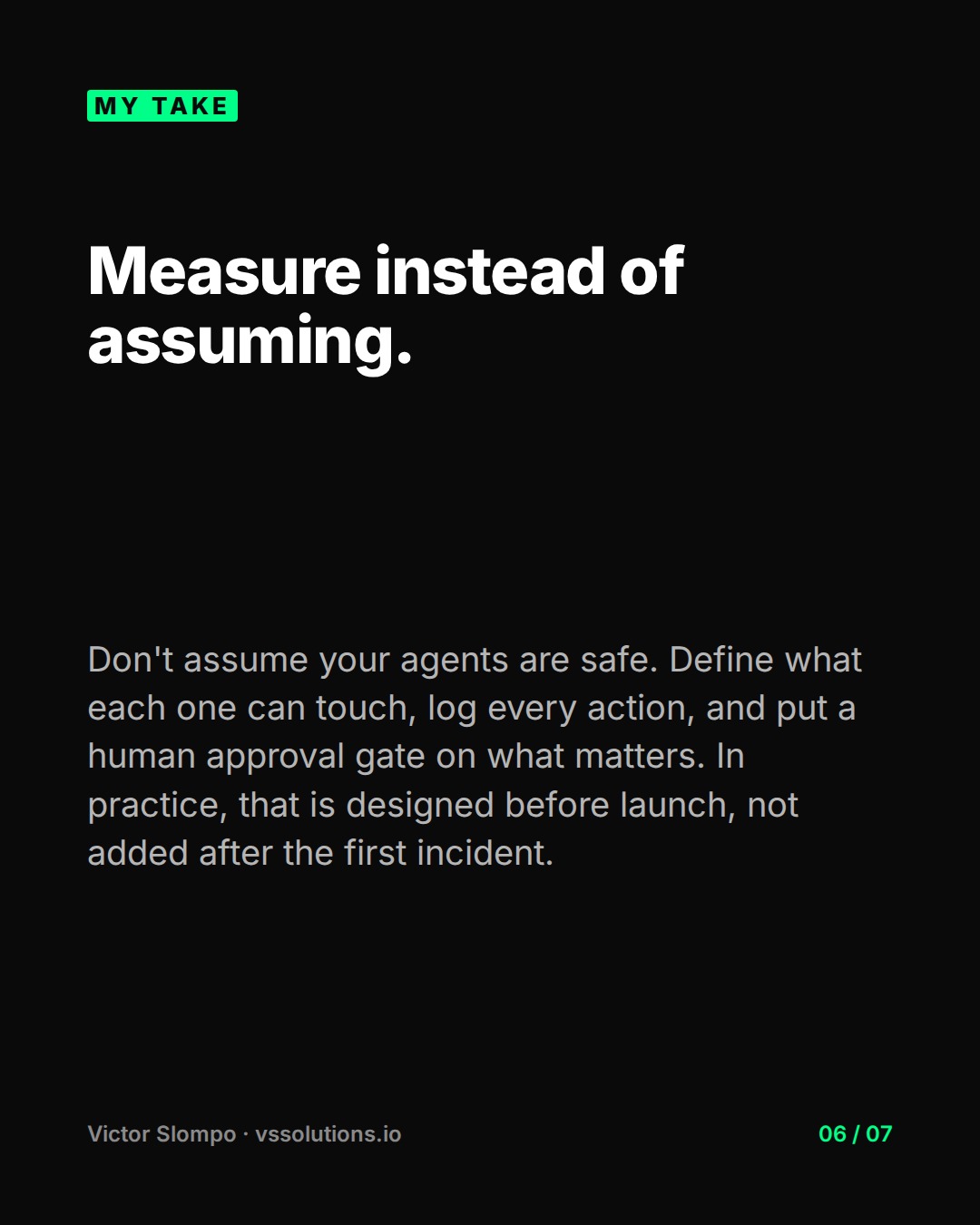
MY TAKE
Measure instead of assuming.
Don't assume your agents are safe. Define what each one can touch, log every action, and put a human approval gate on what matters. In practice, that is designed before launch, not added after the first incident.
Sources
Want this working in your company?
I take AI off the slide deck and put it into production, with measured results. On Instagram, comment AGENTS on the post and I'll send you the step-by-step by DM.