Oct 15, 2026 · Victor Slompo
The gain does not come from the agent alone
The tool evolves. The engineering workflow needs to evolve with it.


The images are the original Instagram carousel, in Portuguese.
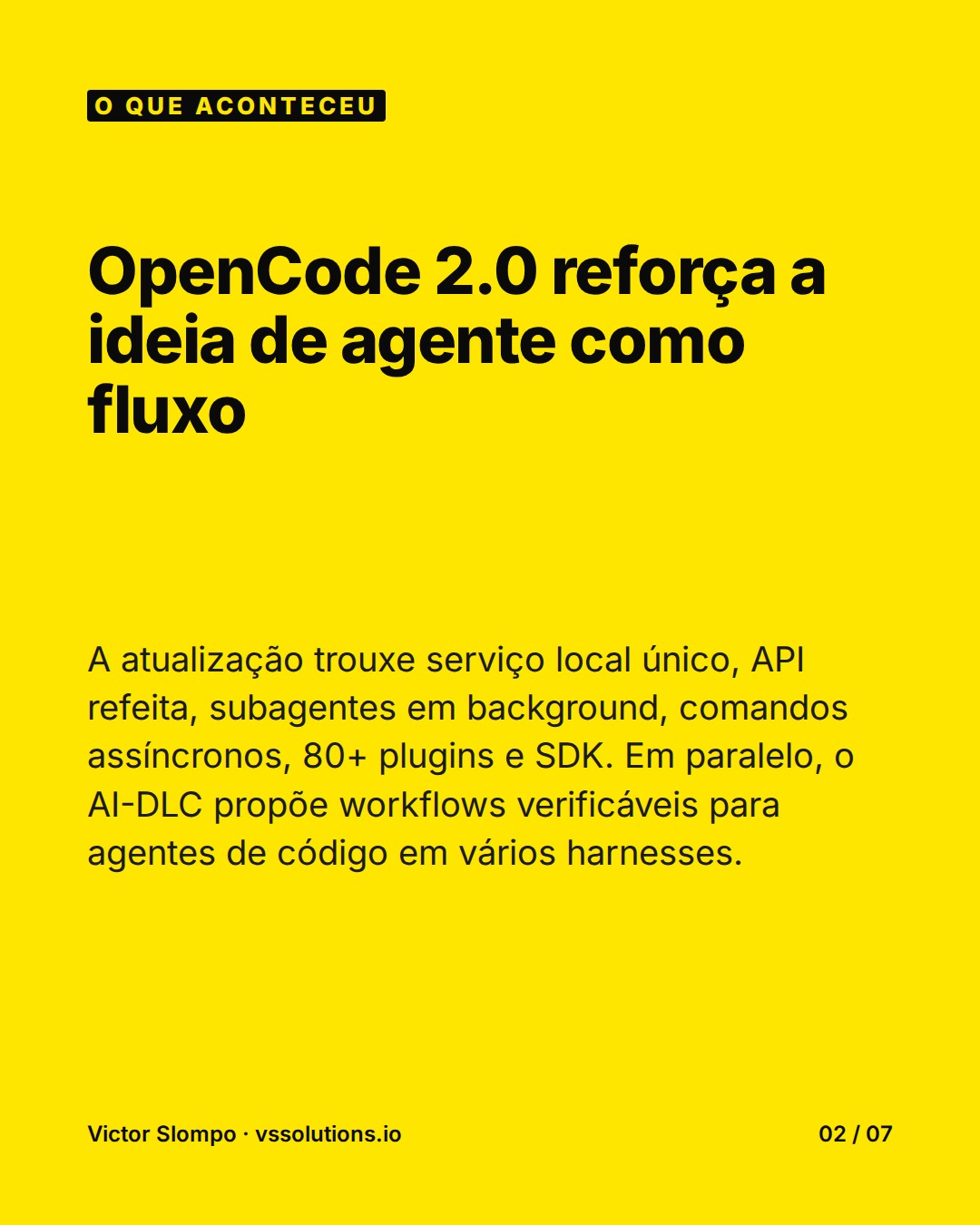
WHAT HAPPENED
OpenCode 2.0 reinforces the idea of the agent as a workflow
The update brought a single local service, a rebuilt API, background subagents, asynchronous commands, 80+ plugins and an SDK. In parallel, AI-DLC proposes verifiable workflows for code agents across multiple harnesses.
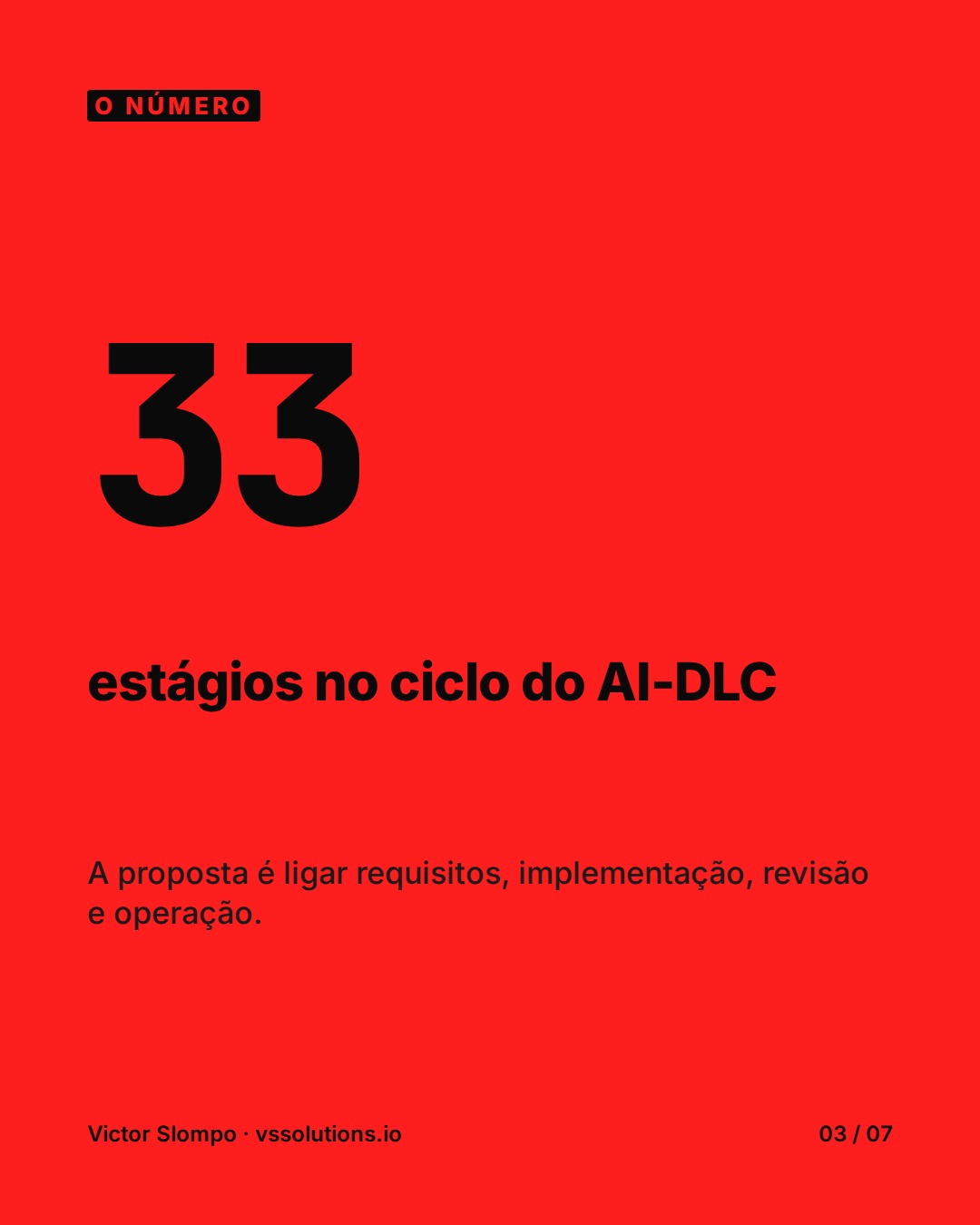
THE NUMBER
33
stages in the AI-DLC cycle
The idea is to connect requirements, implementation, review and operations.
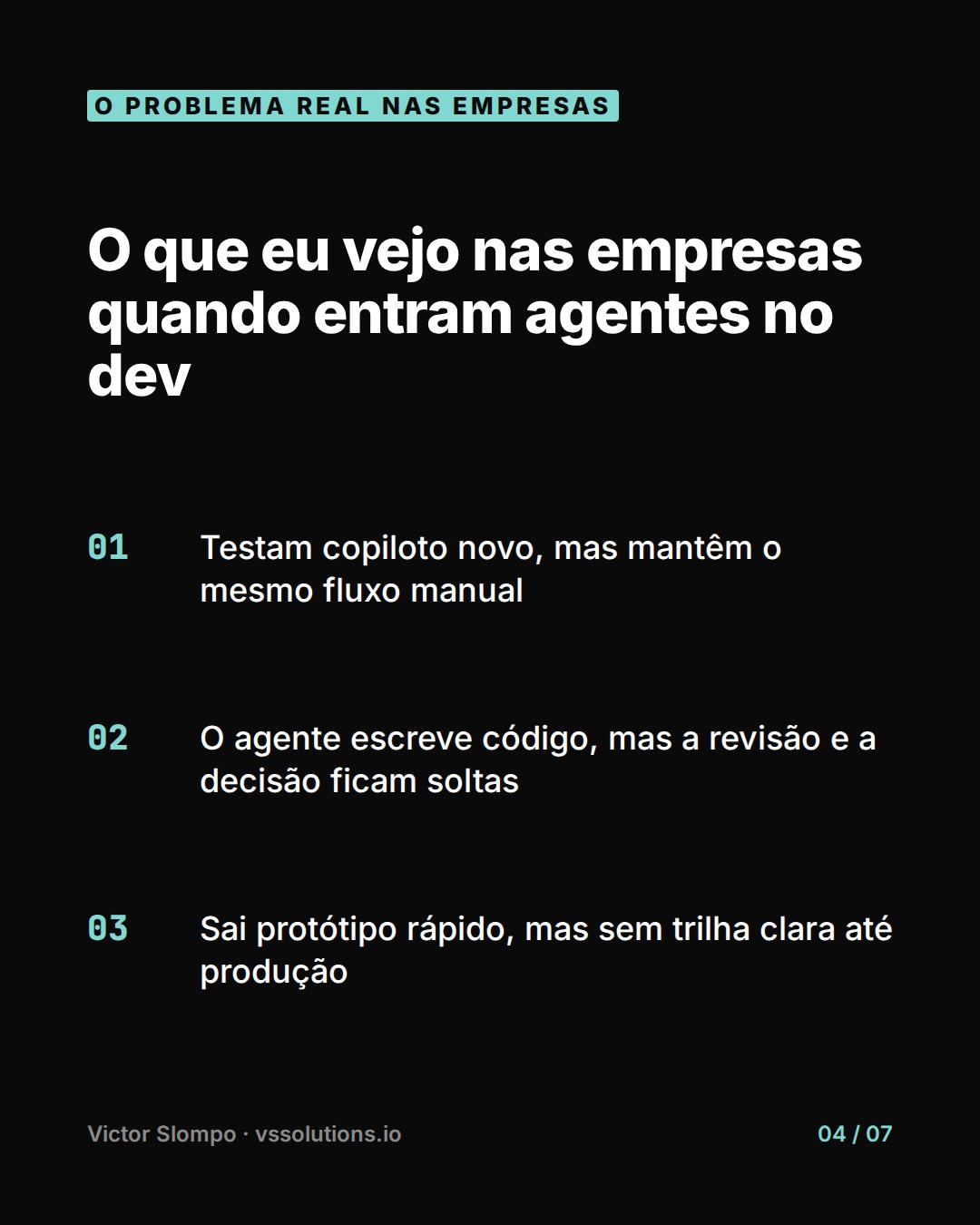
THE REAL PROBLEM IN COMPANIES
What I see in companies when agents enter dev
- 01They test a new copilot, but keep the same manual workflow
- 02The agent writes code, but review and decision-making stay loose
- 03A prototype ships fast, but without a clear path to production
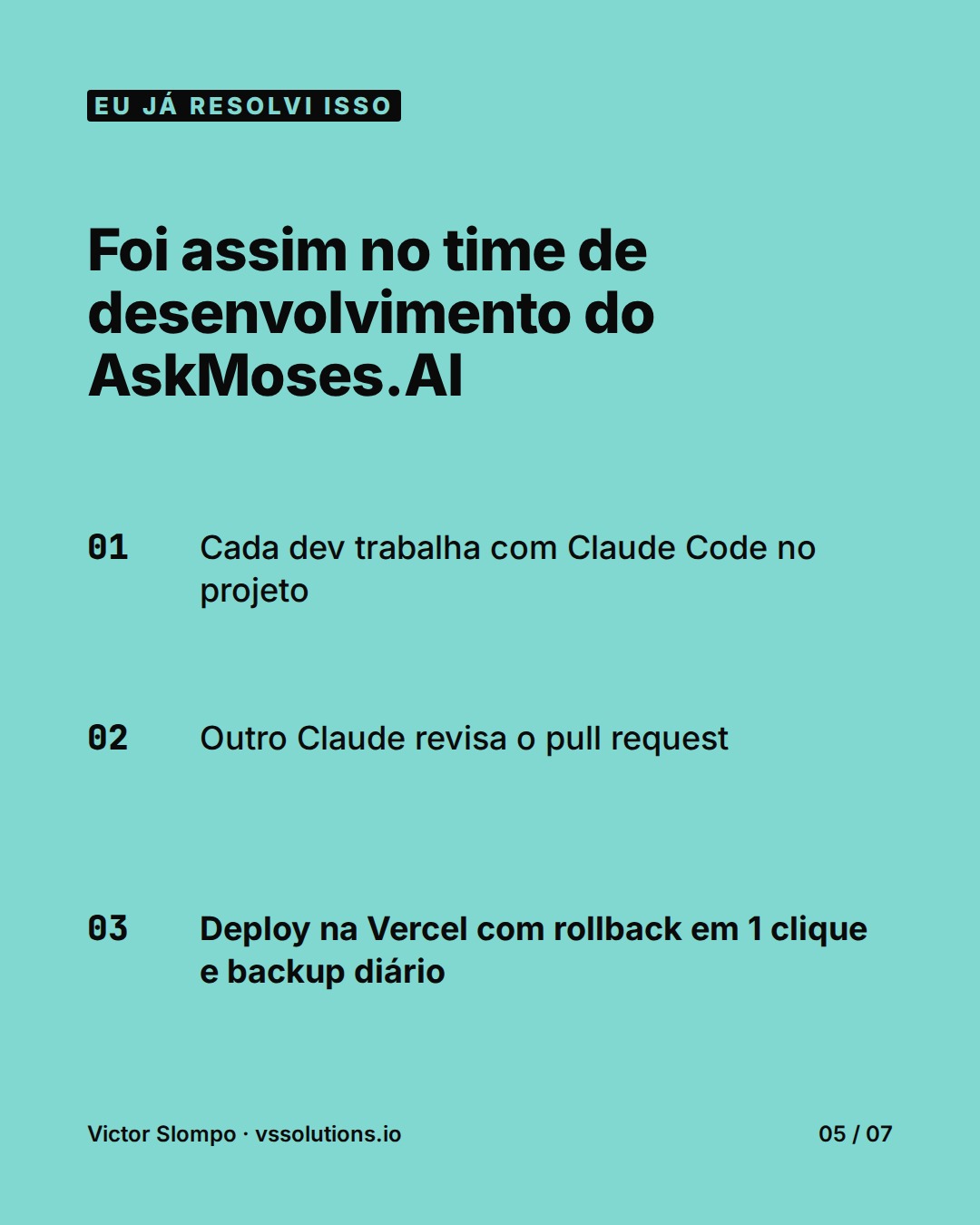
I HAVE ALREADY SOLVED THIS
This is how it worked on the AskMoses.AI development team
- 01Each dev works with Claude Code in the project
- 02Another Claude reviews the pull request
- 03Deploys run on Vercel with 1-click rollback and daily backup
MY TAKE
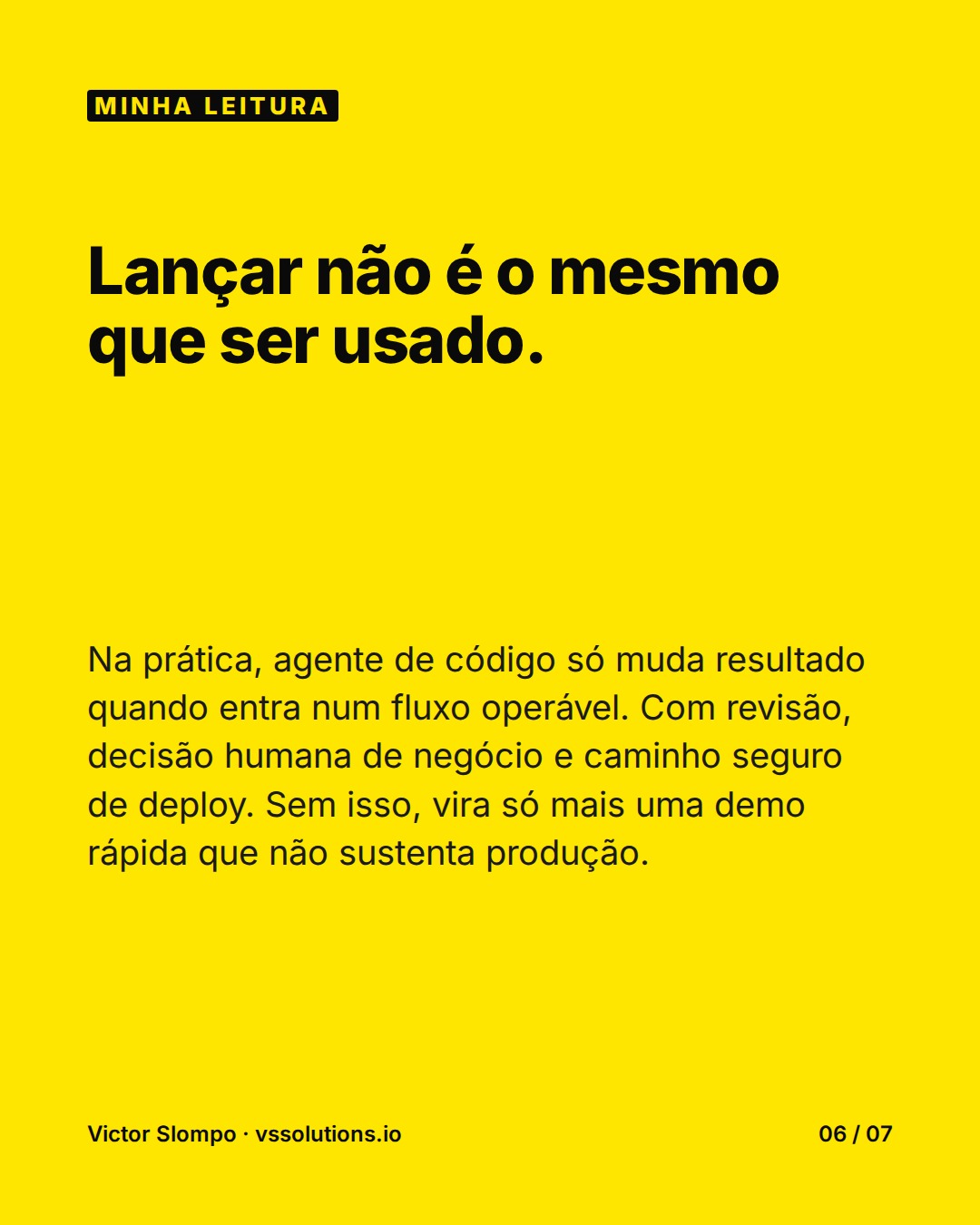
Launching is not the same as being used.
In practice, a code agent only changes results when it enters an operable workflow. With review, human business decisions, and a safe deployment path. Without that, it becomes just another quick demo that does not hold up in production.
Sources
Want this working in your company?
I take AI off the slide deck and put it into production, with measured results. On Instagram, comment CLAUDE on the post and I'll send you the step-by-step by DM.